
Key Takeaways: Common Sump Pump Basin Problems & How to Solve Them
- Sump pump basin issues in industrial facilities often result from sediment buildup, poor sizing, chemical exposure, and excessive pump cycling.
- Routine inspection and cleaning can help reduce equipment wear, maintenance costs, and unplanned downtime.
- Basin size, material selection, and system design directly influence drainage performance and pump efficiency.
- Addressing sump pump basin problems early can help avoid flooding, equipment damage, and production interruptions.
Why a Sump Pump Basin Matters in Industrial Facilities
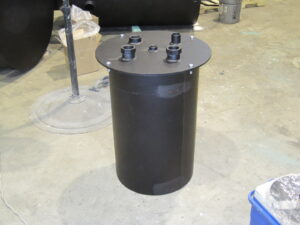
Sump pump basins are used throughout manufacturing plants, processing facilities, warehouses, utilities, and commercial buildings to collect and manage water, wastewater, washdown runoff, and process liquids. While pumps often receive most of the attention, basin performance can have a significant effect on overall system operation.
When basin problems develop, facilities may experience:
- Overflow events
- Excessive pump wear
- High maintenance requirements
- Equipment damage
- Production disruptions
- Safety concerns
Understanding common basin problems can help maintenance teams keep drainage systems operating efficiently.
Sediment and Debris Accumulation
Industrial environments often generate solids that eventually settle inside sump basins. Depending on the application, this may include:
- Sand
- Scale
- Metal fines
- Sludge
- Process debris
- Dirt and sediment
As material accumulates, available basin volume decreases and pump performance may suffer. Debris can also interfere with float switches and clog pump inlets.
Solution
Implement a cleaning schedule based on operating conditions and solids loading. Facilities with higher levels of sediment may benefit from larger basins, solids-handling pumps, or filtration solutions upstream.
Excessive Pump Cycling
Frequent pump starts and stops can increase wear on motors, controls, and switches. In many cases, the issue is related to basin size rather than pump performance.
A basin that fills too quickly forces the pump to cycle more often than necessary.
Solution
Review the relationship between inflow rates, pump capacity, and basin volume. Increasing basin capacity may allow the system to operate more efficiently while reducing component wear.
Sump Pump Basin Overflow During Peak Demand
Heavy rainfall, washdown operations, cooling water discharge, or process upsets can overwhelm a sump basin if it is not designed for peak conditions.
Overflow events can result in:
- Flooding
- Equipment damage
- Safety hazards
- Lost production time
Solution
Evaluate the complete drainage system, including:
- Basin capacity
- Pump capacity
- Discharge piping
- Peak flow conditions
Some facilities may require larger basins, duplex pump systems, or backup pumping capabilities.
Chemical Damage to the Sump Pump Basin
Facilities that handle chemicals, oils, solvents, or industrial wastewater must consider material compatibility. Certain basin materials can degrade when exposed to aggressive liquids for extended periods.
Common signs include:
- Cracking
- Warping
- Surface deterioration
- Leaks
Solution
Select basin materials that match the operating environment. Polyethylene, fiberglass, and other corrosion-resistant materials are commonly used in industrial drainage systems.
Float Switch and Level Control Issues
Level controls help determine when pumps start and stop. Debris, improper installation, and crowded basin layouts can interfere with float movement.
Common symptoms include:
- Pumps that fail to start
- Continuous pump operation
- Short cycling
- High-level alarms
Solution
Inspect level controls regularly and verify that all moving components have adequate clearance. Facilities handling wastewater or solids may also consider alternative level-sensing technologies.
Improper Sump Pump Basin Sizing
A sump pump basin should be sized according to system demands rather than simply matching the pump.
Undersized basins can create several challenges:
- Increased cycling
- Reduced surge capacity
- Higher maintenance requirements
- Reduced efficiency
Solution
Consider:
- Expected flow rates
- Solids loading
- Pump run times
- Future facility growth
- Emergency conditions
Sizing the basin correctly can improve system performance while reducing wear on pumping equipment.
Difficult Maintenance Access
Many older sump installations were not designed with maintenance access in mind. Limited access can make inspections, cleaning, and repairs more time-consuming.
Solution
When replacing or upgrading equipment, consider basin designs that provide easier access for:
- Cleaning
- Pump removal
- Float inspections
- Component replacement
Reducing maintenance time can improve overall facility efficiency.
Preventive Maintenance Recommendations
Many sump pump basin problems can be avoided through routine maintenance.
Best practices include:
- Conducting regular visual inspections
- Removing accumulated solids
- Testing float switches and alarms
- Verifying pump operation
- Inspecting basin walls and structural components
- Monitoring system performance during high-flow events
Consistent maintenance helps identify developing issues before they result in flooding or equipment failures.
Find the Right Sump Pump Basin for Your Operation
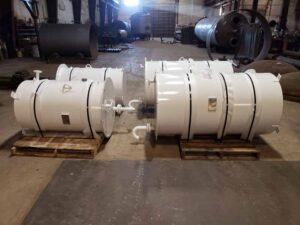
Industrial sump pump basins are exposed to demanding operating environments that can include high flow rates, abrasive solids, corrosive liquids, and continuous operation. Selecting the appropriate basin design, material, and capacity can improve drainage performance while reducing maintenance requirements.
Whether you’re upgrading an existing system or planning a new installation, the right sump pump basin can help support reliable facility operations. Contact our team today to discuss your application and find a sump pump basin solution that fits your operational requirements.
Recent Comments